Custom website design builds a unique digital platform from scratch, offering unlimited flexibility, branded storytelling, and tailored functionality that templates cannot match. It strengthens brand identity, boosts SEO, improves user experience, and drives higher conversion rates for sustainable business growth.
What Is Custom Website Design?
Custom website design is the purposeful craft of a digital storefront built from the ground up to serve a specific brand’s objectives, audience, and identity. Unlike off?the?shelf templates that merely rearrange pre?designed blocks, a custom site starts with a strategic brief, then moves through wireframing, visual design, and hand?coded development. Every pixel, interaction, and line of code is selected to reinforce the company’s message, streamline the user journey, and support measurable business goals.
Because the process is bespoke, designers can incorporate brand?specific typography, color palettes, iconography, and storytelling elements that align perfectly with existing brand guidelines or a new brand identity program. Developers can also embed proprietary features—such as a tailored product configurator, a secure client portal, or a dynamic quoting engine—without being constrained by the limitations of a pre?made theme. This holistic approach ensures that the final website feels like an organic extension of the business rather than an afterthought stitched onto a generic layout.
The key distinction between custom and template solutions lies in flexibility. Templates provide a fixed skeleton with a set of configurable options; custom sites, by contrast, are engineered to evolve. Whether the company wants to launch a seasonal campaign, integrate emerging technology, or pivot its service offering, the underlying architecture can be adapted without compromising performance or brand consistency.
Why Businesses Need a Unique Website
First impressions in the digital arena are formed in a matter of seconds. Studies repeatedly show that users decide whether a site appears trustworthy within 0.05 seconds of landing on the homepage. A bespoke website communicates professionalism, credibility, and attention to detail the moment a visitor arrives. By embedding the company’s unique visual language and tone of voice, a custom site differentiates the brand from competitors who may be using the same popular template.
Beyond aesthetics, a unique website functions as a powerful brand ambassador. When colors, typography, imagery, and messaging are harmonized across every page, the brand narrative becomes instantly recognizable. This consistency nurtures trust, encourages repeat visits, and transforms casual browsers into loyal customers. In saturated markets—think SaaS platforms, boutique retailers, or local service providers—the ability to showcase a distinct value proposition through an individualized digital experience is often the deciding factor in a prospect’s purchase decision.
Finally, a tailored site allows businesses to embed strategic calls?to?action, personalized content blocks, and data?driven recommendations that speak directly to the target audience’s pain points. By aligning the site’s structure with the buyer’s decision?making process, companies can guide visitors along a purposeful path that culminates in conversion, whether that means a sale, a qualified lead, or a scheduled consultation.
How Custom Website Design Supports Business Growth
Improved User Experience and Navigation
User experience (UX) is the silent engine behind every successful online interaction. With a custom design, UX specialists can map out the exact mental models of the target audience, then construct navigation systems that feel intuitive and frictionless. Rather than forcing users into a one?size?fits?all menu hierarchy, designers can craft contextual breadcrumbs, mega?menus, and sticky navigation bars that surface the most relevant content at the right moment.
These refined navigation pathways reduce cognitive load, allowing visitors to locate product details, service descriptions, or support resources in just a few clicks. When information is easy to find, dwell time increases, bounce rates decline, and the overall satisfaction score climbs. Moreover, a well?engineered UX paves the way for micro?conversions—such as newsletter sign?ups or video views—that nurture prospects through the sales funnel before they are ready to make a purchase.
Custom sites also accommodate accessibility standards, ensuring compliance with WCAG guidelines. By providing keyboard navigation, proper alt?text, and sufficient color contrast, businesses broaden their reach to include users with disabilities, thereby expanding market share and reinforcing a reputation for inclusivity.
Stronger Branding and Online Identity
A website is often the most visible expression of a brand’s personality, values, and promise. Custom design empowers businesses to infuse every corner of the site with brand DNA—from the shape of buttons to the rhythm of animation. When a logo is paired with a thoughtfully selected color scheme and complementary typography, the visual cohesion strengthens brand recall.
Beyond static visuals, custom development enables dynamic brand experiences. Interactive elements such as scroll?triggered animations, parallax effects, or personalized greetings based on visitor data create memorable moments that differentiate the brand in a crowded digital landscape. These experiential touches reinforce emotional connections, turning first?time visitors into brand advocates.
Consistent branding across the website also supports broader marketing initiatives. When paid ads, email newsletters, and social media posts lead to a site that mirrors the same visual language, the transition feels seamless, reducing friction and increasing the likelihood of conversion. In essence, a custom site serves as the central hub where brand storytelling and commerce intersect, amplifying the impact of every marketing dollar spent.
SEO and Search Visibility Benefits
Even the most beautiful website is futile if it never appears in search results. Custom website design provides a fertile ground for robust search engine optimization (SEO). By constructing clean, semantic HTML markup and a logical site architecture, developers make it easier for search engine crawlers to understand the hierarchy of content and index pages accurately.
Key technical SEO advantages include:
Performance is another decisive ranking factor. Because custom sites load only the code and assets required for the specific project, page weight is minimized, resulting in faster load times on both desktop and mobile devices. Speed not only pleases search algorithms but also boosts user satisfaction—slow pages are a leading cause of abandonment.
Mobile responsiveness is baked into the design from day one. With over 60?% of global web traffic now originating from smartphones, Google’s mobile?first indexing rewards sites that deliver fluid, touch?friendly experiences across all screen sizes. The combined effect of technical precision, speed, and mobile readiness drives higher organic visibility, delivering sustained, cost?effective traffic over time.
Higher Conversion Rates
Traffic is merely the first step; the ultimate aim is to turn visitors into customers, leads, or other desired outcomes. Custom website design equips businesses with conversion?focused architecture that aligns each page with a specific goal. By employing persuasive design principles—such as visual hierarchy, whitespace, and contrast—designers can direct attention to primary calls?to?action (CTAs) without overwhelming the visitor.
Custom sites allow for granular testing and personalization. For example, dynamic content modules can display tailored product recommendations based on a user’s browsing history, while location?aware widgets can surface store openings nearest to the visitor. Such personalization not only improves relevance but also increases the probability of a conversion.
Furthermore, bespoke checkout flows or lead?capture forms can be streamlined to eliminate unnecessary steps. Multi?step forms can be broken into bite?size sections with progress indicators, reducing perceived effort. Payment gateways and security seals can be integrated seamlessly, reinforcing trust at the critical moment of purchase. The cumulative impact of these tailored enhancements is a measurable uplift in conversion metrics—often double?digit percentage gains compared with generic template sites.
Key Features of an Effective Custom Website
Mobile Responsiveness
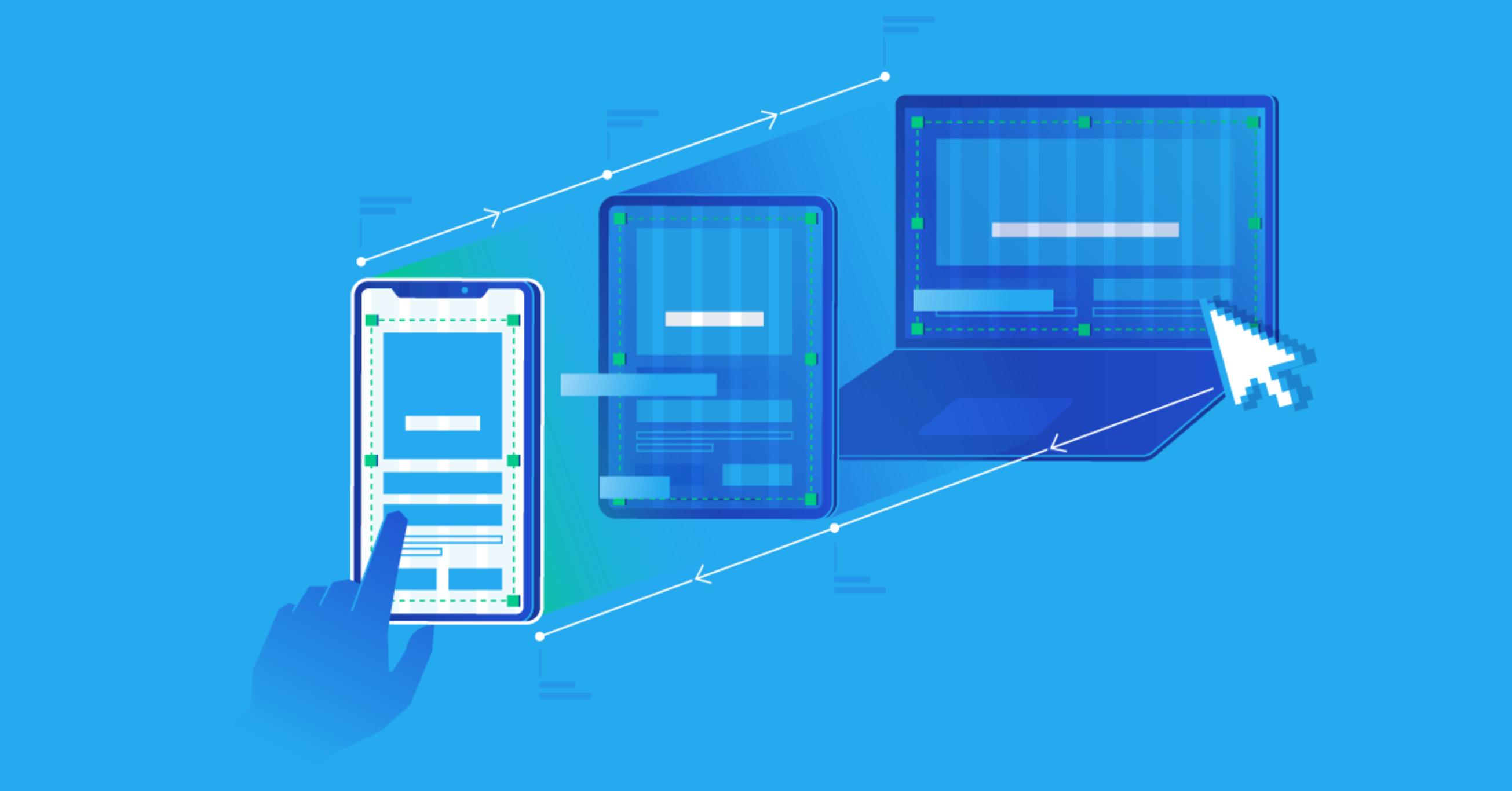
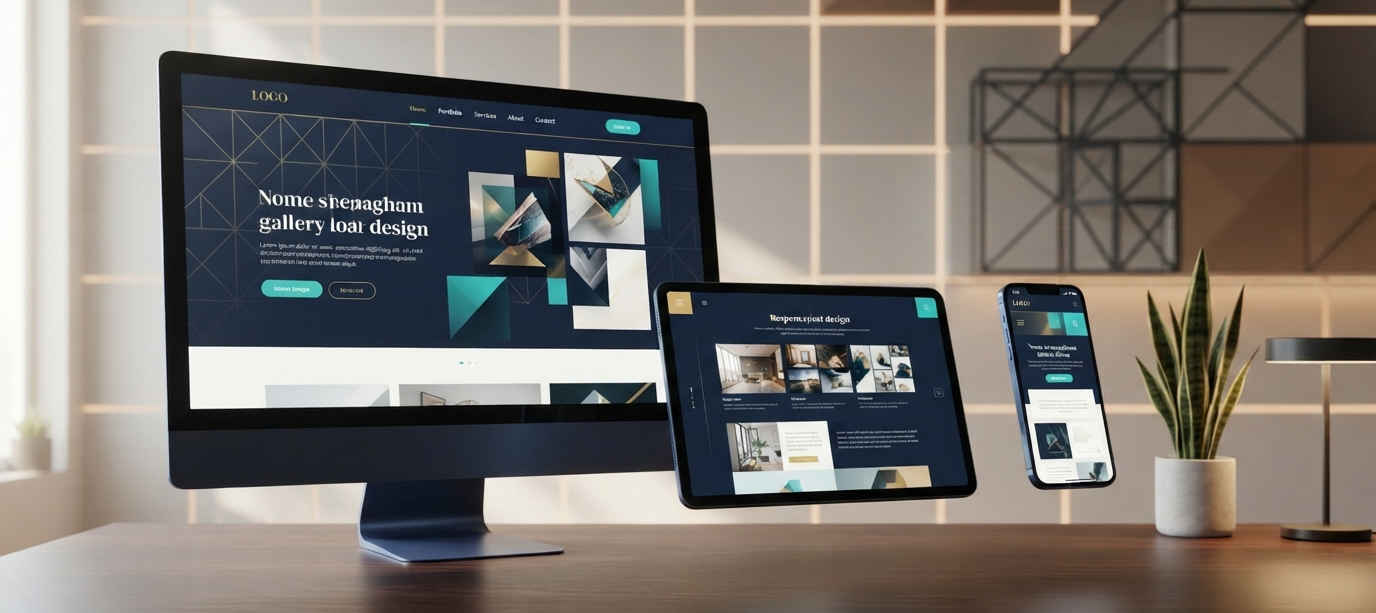
Responsive design ensures that a site automatically adjusts its layout, typography, and navigation to deliver an optimal experience on smartphones, tablets, and desktops. Media queries, flexible grids, and scalable imagery work together to retain functionality and aesthetic appeal regardless of screen size. Beyond user comfort, mobile?friendly sites receive preferential treatment from search engines, enhancing discoverability.
Fast Loading Performance
Page speed is a decisive factor in user retention and SEO. Custom development allows developers to implement lazy loading for images, minify CSS and JavaScript, and leverage server?side rendering or content delivery networks (CDNs). By serving only the assets required for the initial view and caching static resources effectively, load times can be reduced to sub?second levels—crucial for keeping bounce rates low.
Secure Website Architecture
Security breaches damage reputation and erode customer trust. A custom site can embed robust safeguards from the outset: SSL/TLS encryption for data in transit, secure authentication protocols (OAuth, two?factor authentication), regular security patches, and protection against common attacks such as SQL injection and cross?site scripting (XSS). Additionally, role?based access controls ensure that only authorized personnel can modify critical backend settings.
User?Friendly Content Structure
Clear information architecture guides visitors intuitively through the site. This involves establishing logical page hierarchies, descriptive headings, and breadcrumb trails that indicate the user’s location within the site. Content groups should be segmented using concise subheadings, bullet points, and visual separators, enabling users to scan and locate information rapidly.
Integration with Business Tools and Platforms
Modern enterprises rely on a suite of software solutions—CRM, email marketing, analytics, chat, and payment gateways—to drive operations. A custom website can embed these tools via APIs, creating a seamless ecosystem where data flows automatically between the front?end site and back?end systems. Such integration reduces manual data entry, improves reporting accuracy, and enhances the overall customer experience.
The Role of Custom Website Design in Different Industries
E?Commerce Businesses
Online retailers require high?performance storefronts that can handle large product catalogs, dynamic pricing, and complex checkout flows. A custom e?commerce platform can deliver personalized product recommendations, real?time inventory sync, and secure, multi?step payment processes that minimize cart abandonment. Additionally, the site can be optimized for seasonal campaigns, flash sales, and loyalty programs without compromising speed or security.
Professional Service Providers
Law firms, consulting agencies, and financial advisors need websites that project authority and trust. Custom designs enable the inclusion of client testimonials, case studies, credential verification widgets, and secure client portals where sensitive documents can be exchanged. By aligning the site’s tone with the firm’s professional standards, businesses can generate high?quality leads and position themselves as industry thought leaders.
Healthcare, Hospitality, and Local Businesses
Patients, travelers, and neighborhood shoppers often look for immediate, actionable information. Custom sites for hospitals or clinics can integrate online appointment scheduling, insurance verification, and telehealth portals. Hotels and restaurants benefit from reservation systems, menu displays, and localized SEO tactics that capture nearby searches. For local service providers—plumbers, electricians, gyms—a custom site can showcase service areas, real?time availability, and click?to?call buttons that drive direct enquiries.
Creative and Technology Brands
Agencies and tech startups thrive on showcasing innovation. A custom website offers the flexibility to embed interactive portfolios, live code demos, animated storytelling, and API?driven product showcases that cannot be replicated with generic templates. These immersive experiences convey cutting?edge expertise and attract talent, partners, and customers who value creativity and technical prowess.
Common Website Design Mistakes Businesses Should Avoid
Poor Navigation and Cluttered Layouts
Overly complex menus, hidden sub?pages, or dense content blocks overwhelm users and increase abandonment rates. A clean, hierarchical navigation scheme, complemented by clear visual cues, helps visitors locate what they need without frustration.
Inconsistent Branding
Switching between divergent colour palettes, fonts, or tone across different pages erodes brand confidence. Consistency should be enforced through a style guide that dictates visual and copy standards, ensuring every page feels like part of a unified whole.
Ignoring Mobile Optimization
A site that looks great on a desktop but breaks on a smartphone alienates a sizable portion of traffic. Failure to implement responsive design, touch?friendly controls, and appropriate viewport settings will negatively impact user experience and diminish search rankings.
Weak SEO Implementation
Neglecting fundamental SEO practices—such as robust meta tags, proper heading hierarchy, descriptive alt attributes, and clean URLs—limits organic discoverability. Without a solid SEO foundation, even a visually striking site will struggle to attract qualified visitors.
Slow?Loading Pages
Large image files, unnecessary scripts, and poorly configured servers extend load times, prompting visitors to click away. Leveraging image compression, script minification, and server?side caching mitigates these issues and boosts both user engagement and conversion potential.
When Businesses Should Invest in Custom Website Design
Launching a New Business
A brand?new venture needs a digital foundation that conveys credibility from day one. A custom site offers the flexibility to embed the unique value proposition, capture early leads, and scale as the business grows.
Rebranding or Expanding Services
When a company undergoes a visual overhaul or introduces new product lines, the existing website often becomes mismatched. A custom redesign realigns the online experience with the refreshed brand narrative and supports new service pages, microsites, or multilingual editions.
Outgrowing an Existing Website
Legacy sites built on outdated platforms or constrained templates become bottlenecks as traffic spikes, product catalogs expand, or new integrations are required. A custom solution removes those constraints, providing room for future growth without compromising performance.
Declining Website Performance or Conversions
If analytics reveal rising bounce rates, falling engagement, or stagnant conversion numbers, the underlying architecture and user experience likely need a overhaul. A custom redesign can address technical SEO issues, streamline navigation, and implement conversion?optimised elements to revive results.
Conclusion
In the contemporary digital marketplace, a website functions as both a storefront and a strategic asset. While template solutions may appear cost?effective in the short term, they rarely deliver the depth of performance, branding fidelity, and adaptability required for sustainable growth. Custom website design equips businesses with a uniquely engineered platform that enhances user experience, strengthens brand identity, boosts SEO visibility, and drives higher conversion rates.
By investing in a tailor?made digital presence, companies secure a competitive edge, future?proof their online operations, and lay the groundwork for long?term profitability. Whether you are a fledgling startup, an established professional service, or a thriving e?commerce brand, a custom website is an investment that pays dividends in visibility, trust, and revenue.
FAQs
What is the difference between custom and template website design?
Custom design is built from scratch to match a specific business’s goals, branding, and functional requirements, offering unlimited flexibility. Template design relies on pre?made layouts with limited customization, which can restrict uniqueness and scalability.
Is custom website design worth the investment?
Yes. Although the upfront cost is higher, custom sites deliver superior performance, branding cohesion, SEO advantages, and scalability, resulting in greater long?term ROI compared with generic templates.
How does custom design help SEO performance?
Custom sites allow developers to implement clean code, optimized URL structures, precise meta tags, schema markup, fast loading speeds, and mobile?first responsiveness—all of which are critical ranking factors for search engines.
Can small businesses benefit from custom websites?
Absolutely. A custom site helps small businesses establish credibility, differentiate from competitors, provide a superior user experience, and generate more qualified leads—key ingredients for growth.
How often should a business redesign its website?
A thorough evaluation every two to three years is advisable. Redesign should be considered when branding changes, performance metrics decline, technology becomes outdated, or customer expectations evolve.